


Economic crises, especially those characterized by significant recessionary periods, produce temporary changes in consumer behavior. Since we cyclically experience these types of processes, you don’t need to be a consumer psychology expert to detect the typical reactions.
First, there is a sharp drop in impulsive purchasing decisions. Consumers become more analytical and make strategic purchasing decisions. They shift towards secondary brands, methodically organize their needs, carefully evaluate the frequency of each purchase, and ultimately, stop consuming altogether.
I wanted to focus on this last point. Non-consumption is perhaps the most painful consequence an economy can suffer. Without sales, there are no purchases, no production, no suppliers, no raw materials, no market—in short, no jobs.
Since recessionary periods are assumed to be temporary, companies prepare to weather the storm. “Every storm eventually passes,” as the philosopher from Rosario said.
They take restrictive budgetary measures, some very painful, such as staff reductions. They immediately abandon the path of investment, of taking risks, hoping that the storm will be short and we will return to normal as soon as possible.
But in this timid process, a phenomenon occurs that may not be circumstantial. The consumer discovers that what they stopped consuming is no longer necessary for their happiness. It no longer represents what it once did in the past, and their consumption habits have been forever altered.
The 2002 recession taught us that brands that suspended and drastically restricted their investments in communication, promotion, advertising, and marketing in general, and that abandoned the consumer to their fate, ultimately disappeared or lost their market position.
There is no analyst, specialized journalist, or consultant who failed to notice this process. However, today we face a similar situation, and many major market players are acting similarly. They overreact to the crisis and only exacerbate it.
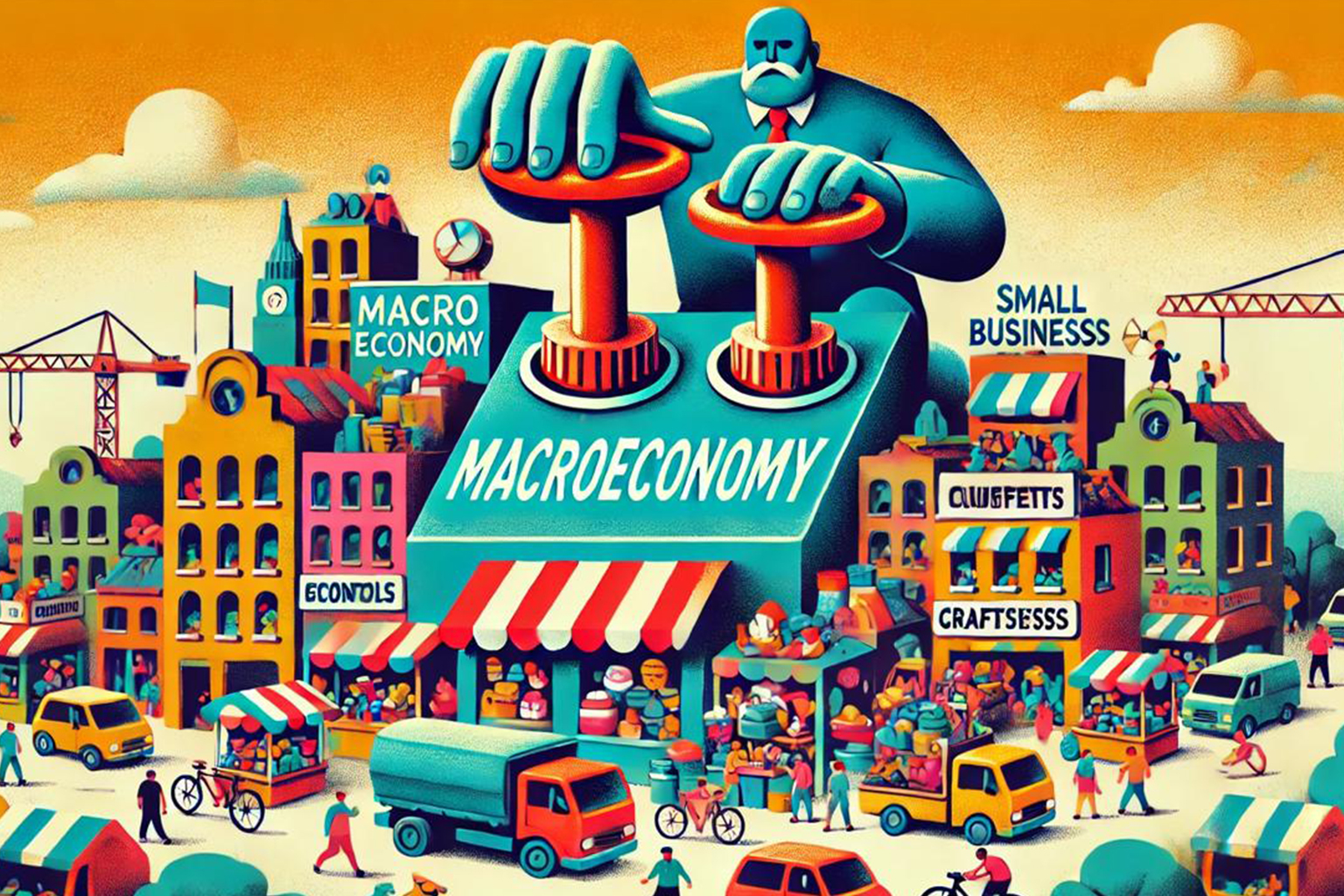
Do companies that have made a lot of money operating in a regulated market feel uncomfortable being subject to the laws of free markets? It’s a difficult question to answer, and one that will surely have a multifaceted response. The president says he’ll take care of the macroeconomics, leaving the microeconomics to Argentine business leaders. Isn’t that a bit much?